

silver antique wall mirror
Mga Gate Valve para sa Tubig Isang Pagsusuri Ang gate valve ay isang mahalagang bahagi ng mga sistema ng pagtutubero at industriya ng tubig. Ang mga balbula na ito ay pangunahing ginagamit para sa kontrol ng daloy ng likido, partikular na tubig. Sa artikulong ito, tatalakayin natin ang mga uri ng gate valve, ang kanilang mga benepisyo, at ang kahalagahan ng wastong pagpili at pagpapanatili ng mga ito sa mga pasilidad ng tubig, lalo na sa konteksto ng Pilipinas. Ano ang Gate Valve? Ang gate valve ay isang uri ng balbula na ginagamit upang buksan o isara ang daloy ng tubig sa isang pipeline. Ang disenyo nito ay nagpapahintulot sa mabilis na pag-aangat at pagbaba ng gate o pinto, na nagreresulta sa mas malinis na daloy ng likido. Sa kabila ng pagiging epektibo nito sa kontrol ng daloy, hindi ito angkop para sa regulasyon o pag-sasaayos ng daloy ng likido. Mga Uri ng Gate Valve Mayroong iba't ibang uri ng gate valve na maaaring gamitin ayon sa pangangailangan ng sistema 1. Wedge Gate Valve Ito ang pinaka-karaniwang uri, na may pabilog na pinto na umeeksak sa daloy ng tubig. Ang disenyo nito ay nagbibigay ng sapat na suporta at maaaring umangkop sa iba't ibang presyon. 2. Parallel Gate Valve Sa panibagong disenyo, ang parehong bahagi ng gate ay parallel sa isa't isa, na pinapayagan ang mas mahusay na pagkakabukas at pagsasara. Ang uri na ito ay karaniwang ginagamit sa mas malalaking sistema. 3. Expanding Gate Valve Sa mga sumusunod na paggamot, ang balbula na ito ay naglalaman ng isang gate na lumalawak sa pag-ikot, na nagbibigay-daan sa mas mahusay na pag-seal. Ito ay karaniwang ginagamit sa mga sistema ng mataas na presyon. Benepisyo ng Gate Valve gate valves for water Ang paggamit ng gate valve para sa tubig ay nagdadala ng maraming benepisyo 1. Minimal na Pagkawala ng Presyon Ang disenyo ng gate valve ay nagbibigay-daan para sa mas kaunting pagkasira ng daloy, na nagreresulta sa mas mataas na efficiency ng sistema. 2. Mahusay na Seal Kapag ganap na nakasara, ang gate valve ay nagbibigay ng mahusay na selyo, na nag-aalis ng anumang pagtagas. 3. Madaling Pagsasara at Pagbukas Sa ilang simpleng pag-ikot ng hawakan, ang gate valve ay madali at mabilis na maaaring buksan o isara. 4. Matibay at Mahaba ang Buhay Ang mga materyales na ginamit sa pagmamanupaktura ng mga gate valve ay karaniwang matibay, na nagbibigay sa mga ito ng mahabang buhay sa operasyon. Wastong Pagpili at Pagpapanatili Mahalaga ang wastong pagpili ng gate valve batay sa mga pangangailangan ng proyekto. Dapat isaalang-alang ang mga salik tulad ng presyon ng tubig, temperatura, at mga katangian ng likido. Sa Pilipinas, ang mga gate valve ay kadalasang ginagamit sa mga municipal water supply system, kaya't kinakailangan ang mga ito na maging angkop sa lokal na kondisyon ng klima at iba pang pangkalikasan na aspeto. Ang regular na pagpapanatili ay kailangan upang mapanatili ang integridad ng gate valve. Dapat itong i-inspeksyon nang regular upang matiyak na walang mga tagas at maayos ang operasyon. Ang pag-aayos ng mga sira sa tamang oras ay makatutulong upang maiwasan ang mas malalang problema sa hinaharap. Konklusyon Ang gate valve para sa tubig ay hindi lamang isang simpleng bahagi ng sistema ng paghahatid ng tubig; ito ay isang mahalagang elemento na nag-aambag sa kalusugan at seguridad ng komunidad. Ang wastong pagpili, pag-install, at pagpapanatili ng mga gate valve ay may malaking epekto sa panahon ng operasyon ng mga sistema ng tubig. Sa Filipinas, kung saan ang pamamahagi ng tubig ay isang kritikal na isyu, ang pag-unawa sa mga gate valve at ang kanilang mga benepisyo ay lubos na mahalaga. Sa madaling salita, ang tamang impormasyon at aksyon ay maaaring magpabuti sa ating mga sistema ng tubig at sa kanilang pangmatagalang bisa.
about
silver antique wall mirror
Control Valve and Its Types Control valves are essential components in various industrial processes, serving as the mechanism that regulates fluid flow rates, pressure, temperature, and other vital parameters in a system. By modulating the flow of liquids, gases, or steam, these valves ensure optimal operation conditions in pipelines and machinery, leading to enhanced efficiency, safety, and reliability. What is a Control Valve? A control valve is a type of valve used to control the flow of fluids by varying the size of the flow passage as directed by a signal from a controller. The function of control valves is to maintain the desired set point for a system variable by adjusting flow in response to signals from measurement instruments. They are typically composed of several parts, including an actuator, a valve body, and a positioner, each of which plays a significant role in ensuring the valve operates effectively and accurately. Types of Control Valves There are several types of control valves, each designed for specific applications and functions. Below are some of the most common types 1. Globe Valves Globe valves are widely used for throttling flow. Their design facilitates a linear flow path, making them ideal for precise flow regulation. They consist of a movable disk-type element and a stationary ring seat, providing good control characteristics but may create a higher pressure drop due to their flow path. control valve and its types 2. Ball Valves Ball valves feature a spherical disc that controls the flow. Their design allows for minimal resistance to flow when fully open, which makes them suitable for applications requiring rapid on/off control. While they are not as effective for throttling, they offer excellent sealing properties, making them ideal for shut-off applications. 3. Butterfly Valves Butterfly valves utilize a rotating disc to control flow. They are lightweight, require minimal space, and can be easily actuated, making them a popular choice for large diameter pipelines. Their design provides quick shut-off capabilities and is effective in applications where throttling is not critical. 4. Check Valves Though primarily used for preventing backflow, some check valves can serve a control function in certain specific applications. They allow flow in one direction and automatically prevent backflow, ensuring the safety of the pipeline and system. 5. Pinch Valves Pinch valves use a flexible tube pinched to stop flow. They are particularly effective for handling slurries or viscous liquids, as they do not have internal moving parts that could block or corrode. This design provides isolation and easy maintenance, making them suitable for abrasive materials. 6. Pressure Relief Valves Essential for system safety, pressure relief valves automatically discharge fluid when pressure exceeds a certain threshold, protecting systems from overpressure conditions. They are critical in scenarios where operational safety is paramount. Conclusion Control valves play a crucial role in various industrial applications by regulating the flow of fluids and maintaining process stability. The choice of a control valve type depends on the specific requirements of the application, including the desired flow characteristics, operating conditions, and safety considerations. As industries evolve, control valve technology continues to improve, providing enhanced performance and reliability to meet the demands of modern processes.
-

High quality industrial productsagement

High quality industrial products
View Details -

Meet the diverse needs of customers

Meet the diverse needs of customers
View Details -

Strict quality control

Strict quality control
View Details -

Top raw materials

Top raw materials
View Details -

Trusted supplier

Trusted supplier
View Details
Our application
news and information
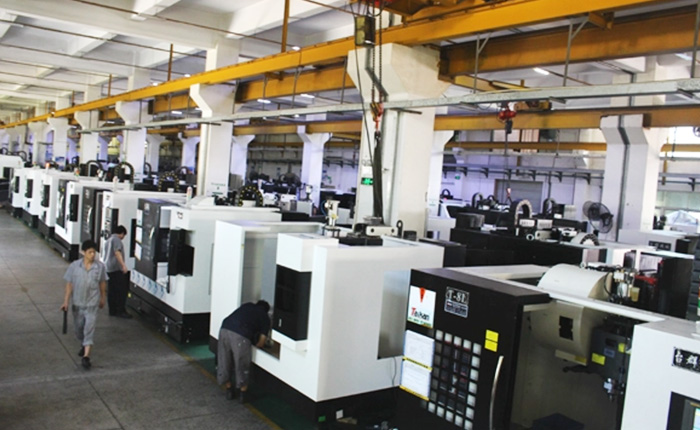
Válvula de retención de 25 mm para sistemas de plomería y fluidos industriales
25mm check valve .
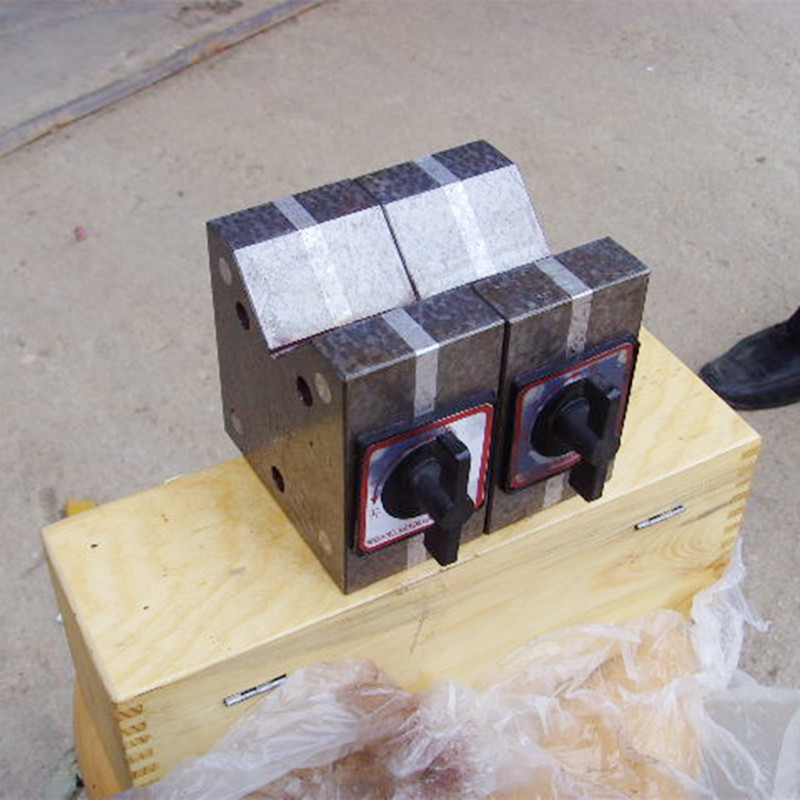
v block types
Understanding V-Block Types An Overview In the rapidly evolving landscape of technology and engineer

water check valve 3 4
Understanding Water Check Valves The Importance of Models 3 and 4 Water check valves are essential c
 English